 Search


How to Reduce Product Damage in Retail Distribution?
In the high stakes’ world of retail logistics, product damage is frequently dismissed as an unavoidable line item. However, modern supply chain leaders recognize that damage is not an isolated accident; it is a symptom of systemic inefficiency. To reduce product damage in retail distribution, an organization must look beyond simple protection and embrace a strategy that balances operational efficiency, worker safety, and brand integrity.
At Plasgad, we view damage reduction as a foundational element of a smarter supply chain. When you stabilize a load or standardize a container, you are not just saving a product; you are optimizing labor, enhancing safety, and supporting sustainability goals.
Where the Products Are Damaged?
To eliminate recurring losses, you must first identify the friction points where the damage trail begins. Most companies fail to track damage with enough granularity to fix the root causes.
-
Inbound Receiving
The risk begins the moment a trailer door opens. Poorly braced loads or shifting pallets during sea or road transit create hazardous conditions for unloading. If the foundation of the load is weak, the initial movement by a forklift can cause a total collapse.
-
Storage and Racking
Damage often occurs silently within high bay racking. Standard wooden pallets can warp or splinter under heavy loads, leading to uneven weight distribution. This puts immense pressure on the bottom layers of packaging, resulting in “crush” damage that stays hidden until the point of picking.
-
Picking and Fulfillment
As e-commerce and omnichannel retail demand more “each” picking, manual handling increases. Every additional touchpoint is a statistical opportunity for a drop, a puncture, or a misplacement.
-
Palletization and Transport
This is the critical “handshake” between the warehouse and the road. If the pallet is inconsistent in size or strength, the stretch wrap cannot maintain a secure bond. During transport, vibration and centrifugal force act on these weak points, causing loads to shift and collide.
-
Store Delivery
The final leg is often the most chaotic. Frequent stops, lift gate operations, and tight backroom spaces mean products are subjected to high impact forces and varied environmental conditions.
The Hidden Root Causes of Product Damage
While a broken box is the visible result, the true causes are often embedded in your operational DNA.
- Inconsistent Pallet Quality: Variability is the enemy of safety. Broken boards, protruding nails, and dimensional differences in wooden pallets create an unstable base for every load.
- Poor Packaging Design: Using oversized boxes with excessive “dead air” invites collapse, while undersized packaging forces the product to bear the vertical weight of the stack.
- Operational Inefficiency: More handling equals more risk. If your system requires frequent repacking or manual sorting, your damage rates will naturally be higher.
- Lack of Ergonomics: When packaging is difficult for workers to grip, lift, or stack, human error increases. Poorly designed crates lead to dropped goods and workplace injuries.
5 Proven Strategies to Reduce Product Damage
-
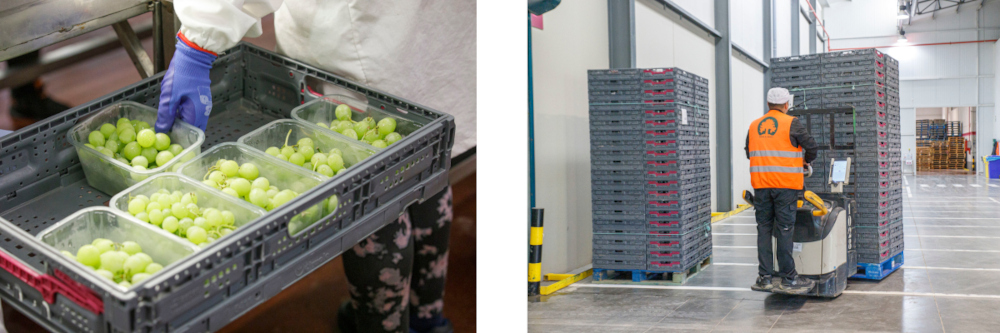
Optimize Packaging for Real Distribution Conditions
Packaging should be designed for the reality of the journey, not just the shelf.
- Right Sizing: Minimize internal void space to ensure the box walls provide structural support.
- Standardization: Use standardized dimensions that align with your pallet footprint to eliminate “overhang,” which is a leading cause of corner crushing.
- Client Value Note: Beyond protection, optimized packaging reduces packing time and allows for more units per pallet, directly lowering shipping costs.
-
Improve Palletization and Load Stability
The integrity of your entire shipment depends on the quality of the base. This is where the choice of equipment makes a strategic difference.
The Plasgad Advantage: Plastic Pallets as Operational Enablers By integrating high quality plastic pallets into your distribution cycle, you address damage and efficiency simultaneously:
- Unmatched Stability: Plastic pallets offer 100% dimensional consistency. There are no broken boards or shifting nails, ensuring the load remains level from the DC to the store.
- Worker Usability: Our pallets are lightweight and designed with ergonomic grips. They are easier for staff to handle, which speeds up workflows and reduces the likelihood of manual handling accidents.
- Sustainability: Unlike one way wood, Plasgad pallets are reusable and fully recyclable, supporting your ESG goals while providing a lower total cost of ownership.
- Hygiene: Plastic is moisture resistant and easy to clean, preventing the contamination damage often seen with organic materials.

-
Reduce Handling Risks with Better Warehouse Design
Ease of use is a direct deterrent to damage. If a container is easy to handle, it is less likely to be dropped.
- Ergonomic Design: Utilize containers with smooth handles and intuitive locking mechanisms.
- Reduced Touchpoints: Move toward “floor to store” solutions. By using reusable packaging solutions, you can pick directly into a retail ready crate, eliminating the need to unpack and repack at the store level.
-
Use Technology to Improve Visibility and Control
You cannot fix what you cannot see. Modern retail distribution relies on data to identify “black holes” in the supply chain.
- Smart Tracking: Plasgad offers smart pallet options and tracking capabilities that allow you to monitor the movement of assets. This helps identify specific routes or zones where high impact events are occurring.
-
Standardize Processes and Eliminate Variability
Consistency is the single biggest driver of damage reduction.
- Visual SOPs: Provide workers with photographic guides showing exactly how a “perfect” pallet should look and be wrapped.
- Root Cause Analysis: When damage occurs, treat it as a data point. Analyze whether the failure was due to the pallet, the wrap, or the handling process to prevent recurrence.
Why Reusable Packaging Can Reduce Damage and Costs
For many retailers, the transition to reusable plastic packaging (RPP) is a turning point for operational health. It delivers value across five critical layers:
- System Consistency: Plastic crates and pallets have the same dimensions every time, making them perfect for stacking and securing.
- Operational Efficiency: Faster folding, nesting, and stacking reduce labor time in both forward and reverse logistics.
- Worker Friendly Features: Plasgad foldable crates are designed with ergonomic handles and smooth surfaces, making them safer and faster for staff to use.
- Circular Economy: By replacing single use cardboard and wood, you drastically reduce waste and lower your carbon footprint.
- Branding and Retail Visibility: This is a major strategic advantage. Branded crates in custom colors with company logos improve store recognition and ensure a professional, consistent presentation on the retail floor. Your packaging becomes a marketing asset, not just a transport tool.
The Impact of Automation on Product Damage
As warehouses move toward AS/RS and robotic picking, the cost of a pallet failure increases exponentially. In an automated environment, a single splinter or a warped board can trigger a system shutdown, leading to thousands of dollars in downtime and damaged goods.
Plasgad solutions are designed for automated systems. Our pallets and containers provide the precise tolerances required by conveyors and robotic arms, ensuring smooth, high speed performance without the risk of jams or load shifts.
Checklist to Reduce Damage
- Audit your current pallet pool: Replace inconsistent wood with plastic pallets for retail distribution.
- Eliminate Overhang: Ensure all cartons fit within the pallet footprint.
- Standardize Packaging: Move toward foldable crates for logistics to eliminate “box crush.”
- Train on Ergonomics: Teach staff how to handle reusable assets correctly to maximize safety.
- Brand your Assets: Use custom colors and logos to improve asset tracking and retail presentation.
- Track the Data: Use sensors or audit logs to identify where damage happens most.
Conclusion
Reducing product damage is about more than just protection; it is about building a more efficient, reliable, and sustainable supply chain. By investing in the right equipment and standardizing your processes, you protect your inventory, your people, and your brand reputation.
At Plasgad, we help you turn your logistics chain into a competitive advantage. Our reusable solutions are engineered to withstand the rigors of modern retail while delivering the efficiency and safety your team needs.


